Log in Contact
COUNTRY-BY-COUNTRY GUIDE

Background checks in Europe: a country-by-country guide for employers

Background checks in Europe work differently in every country. There is no single European criminal record check an employer can order. Each country has its own certificate, its own rules on who may ask for it, and its own fees and waiting times.

  • 13 countries and regions
  • Every figure linked to its source
  • GDPR first
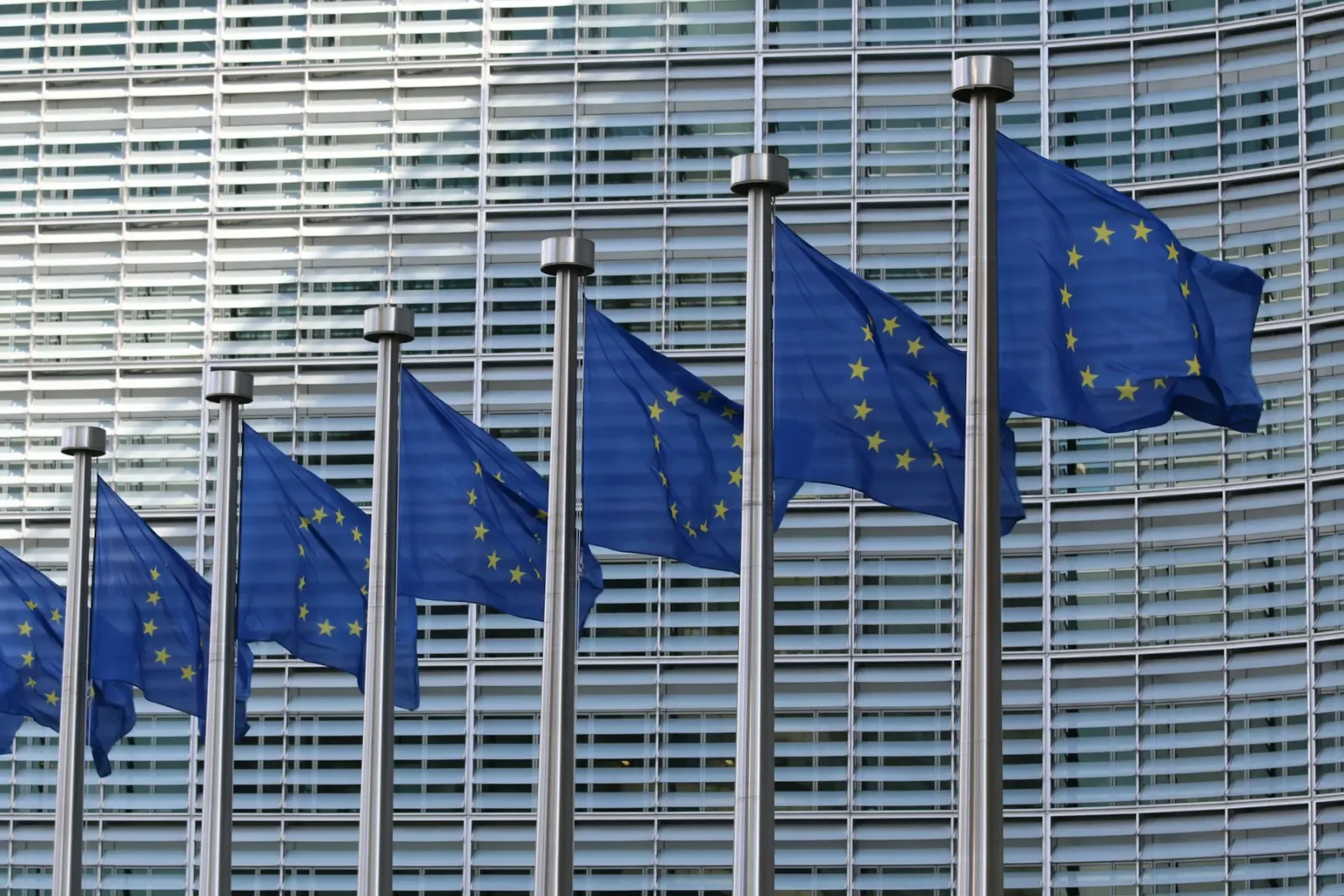
A row of European Union flags in front of a glass office building in Brussels

Why every country needs its own approach

On top of that, GDPR sets strict limits on what you may check and keep. Get it wrong and you risk a fine, a complaint or a hire who walks away.

This guide covers the countries where our clients hire most: the Netherlands, Germany, Belgium, France, the UK, Ireland, Spain, Italy, Poland and the Nordics. For each one, you'll find what you may check, which document the candidate gets, how long it takes and what it costs.

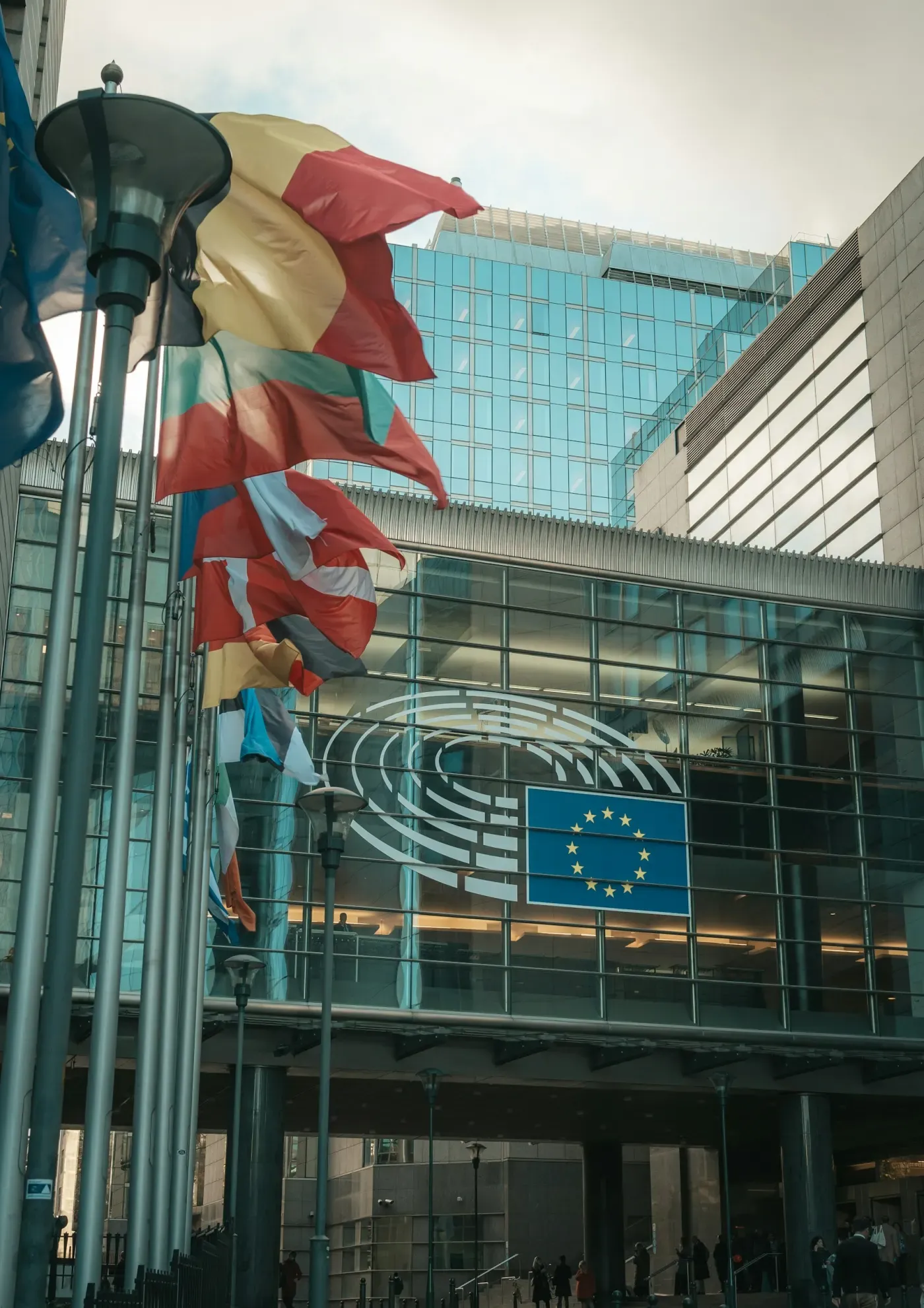
Glass and stone office buildings in the European Quarter in Brussels with national flags in front GDPR Article 10

GDPR and background checks: the rules that apply everywhere

Under GDPR, criminal record data gets its own rule. Article 10 says you may only process it under the control of an official authority, or when EU or national law allows it with proper safeguards (source). Article 10 does not make consent a lawful basis on its own: national law decides what is allowed.

In practice, that means three things for employers:

  1. 1 National law decides Each country sets who may ask for a criminal record and for which roles. That's why the rules below differ so much.
  2. 2 The candidate usually requests the certificate In most countries, the official extract goes to the candidate, who then shares it with you. You rarely get direct access.
  3. 3 Check only what the role needs A cashier and a childcare worker don't need the same check. Keep the result only as long as you need it, and note why you asked for it.

Other checks, like references, diplomas and right to work, fall under the normal GDPR rules. You still need a legal basis, a clear purpose and a privacy notice for the candidate.

Pick a country

A quick overview of what the candidate gets, how long it takes and what it costs. Select a country for the full rules, including what you may check.

Fees and waiting times come from the official authority for each country and can change. Use the source link in each section to check the current figure.

Country

Netherlands

VOG (Certificate of Conduct)

Turnaround
1 to 4 weeks, up to 8
Price
€33.85 online, no VAT

In the Netherlands, you don't see a criminal record. You get a yes or no. The VOG (Verklaring Omtrent het Gedrag) is issued by Justis, part of the Ministry of Justice and Security, and states that the applicant has no convictions relevant to the job (source).

What you may check

Justis checks the Criminal Records System and may also look at police files. It then judges the record against the role, using the screening profile or risk areas you select (source). A fraud conviction matters for an accountant, but drink-driving usually doesn't.

How it works

The employer starts the request online, and the candidate completes it with DigiD and pays (source). For some jobs, such as childcare, a VOG is required by law.

Turnaround

Usually 1 to 4 weeks, up to 8 weeks in some cases (source).

Price

€33.85 when the employer starts the request online, €41.35 through the town hall or from abroad. No VAT (source).

Country

Germany

Führungszeugnis (certificate of conduct)

Turnaround
No fixed time, delays possible
Price
€13 per certificate

In Germany, the candidate applies for a Führungszeugnis and gives it to you. It's an extract from the Federal Central Criminal Register, issued by the Federal Office of Justice (BfJ), and is sent to the applicant personally (source).

What you may check

For most jobs, the standard certificate. For work with children and young people, the candidate needs the enhanced certificate (erweitertes Führungszeugnis), which shows more sexual and child-protection offences. They need a written request from you to apply for it (source). Older or minor convictions drop off the certificate after set periods, so "no record" doesn't always mean a clean register.

EU candidates

Citizens of another EU country or the UK get a European certificate of conduct, which adds data from their home country's register. That country has 20 working days to reply, so expect a longer wait (source).

Turnaround

The BfJ gives no fixed time and currently warns of longer waits (source).

Price

€13 per certificate (source). There's no fixed validity, but three months is the common rule of thumb (source).

Country

Belgium

Extract from the criminal record

Turnaround
Usually straight away, for use in Belgium
Price
Free

In Belgium, the candidate requests an extract from the criminal record (uittreksel uit het strafregister / extrait de casier judiciaire) from their town hall. There are three versions, and the role decides which one you may ask for (source):

  • Model 595 The standard extract, for most jobs.
  • Model 596.1 For regulated jobs, such as taxi drivers, private detectives and football stewards.
  • Model 596.2 For work with minors, in education, youth care or child protection.

What you may check

For 596.1 and 596.2, you fill in a standard form as the employer, which the candidate hands in at the town hall (source). Some convictions don't appear on extracts for work purposes, to help people back into work.

Turnaround

Usually issued straight away when it is for use in Belgium. For use outside the EU, about 5 working days (source).

Price

Free (source). Local practice can differ slightly per municipality.

Country

France

Casier judiciaire, bulletin n°3

Turnaround
1 to 24 hours with FranceConnect
Price
Free

In France, the candidate requests bulletin n°3 (B3) of their criminal record from the national criminal records service and shares it with you. It's the most limited of the three extracts, and the only one a private person can request (source).

What you may check

Only what the candidate gives you. You can't request a B3 on someone's behalf: only the person, or the legal representative of a minor or adult under guardianship, may apply. Anyone else who does risks a €7,500 fine (source).

Turnaround

1 to 24 hours online with FranceConnect. Without FranceConnect, the certificate arrives by email in about 2 business days. About 2 weeks by post (source).

Price

Free (source). The B3 has no legal expiry date; most employers ask for one less than 3 months old.

Country

United Kingdom

DBS check (basic, standard, enhanced)

Turnaround
Basic up to 14 days, enhanced about 8 weeks
Price
£20 basic or standard, £41 enhanced

In England and Wales, criminal record checks run through the Disclosure and Barring Service (DBS). Scotland and Northern Ireland have their own services, Disclosure Scotland and AccessNI (source). Since Brexit, the UK applies its own version of GDPR, the UK GDPR, which follows the same principles.

There are four levels, and the role decides which one you may request (source):

  • Basic Unspent convictions and conditional cautions. Open to any role.
  • Standard Spent and unspent convictions and cautions. Only for eligible roles, such as in finance or law.
  • Enhanced As standard, plus relevant information held by local police. For roles such as healthcare or childcare.
  • Enhanced with barred lists As enhanced, plus whether the person is barred from working with children or vulnerable adults.

If you run criminal record checks, you must have a policy on employing ex-offenders and show it to applicants who ask. A DBS check doesn't cover time the candidate spent living outside the UK (source).

How it works

For standard and enhanced checks, employers doing fewer than 100 checks a year must use an umbrella body. DBS sends the certificate to the candidate, who shows it to you (source).

Turnaround

Standard and enhanced checks usually take around 8 weeks, and longer if several police forces are involved (source). Basic checks take up to 14 days (source).

Price

Since 5 October 2026, £20 for a basic or standard check and £41 for an enhanced check. The Update Service costs £15 a year (source). Umbrella bodies may add their own admin fee.

Country

Ireland

Garda vetting (National Vetting Bureau)

Turnaround
18 to 20 working days
Price
No fee from the NVB itself

Ireland is the strictest country in this guide. Criminal record checks for general employment aren't available on demand (source). Garda vetting is only for "relevant work": roles that mainly involve access to children or vulnerable adults.

What you may check

For relevant work, vetting by the National Vetting Bureau (NVB) is mandatory, and the candidate may not start until you have the vetting disclosure (source). You can only request it through an organisation registered with the NVB, never for an individual (source).

Other roles

The Garda police certificate is only issued for visas, immigration, setting up a business in another EU country and jobs at EU institutions. It doesn't count as vetting or a character reference (source). For most Irish hires, a criminal record check is simply not an option.

Turnaround

About 18 to 20 working days after the candidate completes the NVB form. Add up to 10 working days for an EU address history and up to 20 for a UK one. There is no fast track (source).

Price

The NVB charges no fee itself (source). The registered organisation that submits the vetting may charge its own handling fee.

Country

Spain

Certificado de antecedentes penales

Turnaround
Usually straight away online
Price
€3.86 in 2026

In Spain, the candidate requests a certificado de antecedentes penales from the Ministry of Justice. It shows whether they have convictions in the Central Register of Convicted Persons on the day it's issued (source).

What you may check

The criminal record certificate for general roles. For any work with minors, you need a different document: the certificado de delitos de naturaleza sexual (sexual offences certificate). It's the only certificate that qualifies someone to work with children in Spain (source).

Turnaround

Online, it is usually issued straight away. If not, it is available within 24 hours, in some cases up to 3 working days. The legal limit is 10 working days (source).

Price

€3.86 in 2026, paid with form 790, code 006 (source). Most employers accept a certificate up to 3 months old.

Country

Italy

Certificato del casellario giudiziale

Turnaround
Same day with the urgency fee
Price
€19.92 per certificate

In Italy, the criminal record certificate (certificato del casellario giudiziale) is issued by the local criminal records office at the public prosecutor's office (source). Private employers have no general right to demand one from a candidate (source).

What you may check

For most roles, only what the candidate chooses to share. For jobs with direct and regular contact with minors, the employer must request the certificate itself, under Article 25-bis. You apply at the office with form 3BIS, your ID and a copy of the candidate's ID (source). For EU nationals, there's a European version that includes their home country's record.

Turnaround

Same day if you pay the urgency fee (source). Without it, the local office sets the collection date.

Price

€19.92 per certificate: €16 stamp duty per two pages plus €3.92 certificate fee. Same-day issue adds another €3.92 (source).

Country

Poland

KRK certificate (zaświadczenie o niekaralności)

Turnaround
Within 7 days online, same day in person
Price
PLN 20 online, PLN 30 on paper

In Poland, the candidate requests a certificate from the National Criminal Register (Krajowy Rejestr Karny, KRK), often called a zaświadczenie o niekaralności (source).

What you may check

A private employer can't ask for a KRK certificate for every job, only where the law requires it (source). For work with minors, the Act of 13 May 2016 makes it mandatory: the candidate hands in an original KRK certificate, and foreign candidates also bring one from their home country (source).

Turnaround

Online via e-KRK, within 7 calendar days (source). In person at a KRK information point, usually the same day (source).

Price

PLN 20 online, PLN 30 on paper (source).

The Nordics: Sweden, Denmark, Norway and Finland

The Nordic countries share one principle: the candidate requests their own extract and shows it to you. The police don't send it to employers. Most checks are tied to roles where the law requires them, usually work with children or vulnerable people.

Sweden

Document: utdrag ur belastningsregistret (source).

When you may ask

Specific extracts exist for roles where the law requires one, such as schools and care. Other employers have no legal basis to demand one, but it isn't banned.

Turnaround

Up to 2 weeks. EU nationals add up to 20 working days for their home country (source).

Price

No fee listed for employment extracts. Extracts for use abroad cost SEK 255 (source).

Denmark

Documents: privat straffeattest (source), and børneattest for work with children under 15 (source).

When you may ask

Only when it's relevant and necessary for the role (source). For some roles with children, the employer must request a børneattest, with written consent (source).

Turnaround

Up to 5 working days digitally (source).

Price

Free (source). The børneattest is free too (source).

Norway

Document: politiattest (source).

When you may ask

Only when a law or regulation requires it. The employer confirms the purpose and the legal basis on a form the candidate adds to their application (source). Many sectors require it to be no older than 3 months (source).

Turnaround

About 2 weeks (14 days) once all documents are received (source).

Finland

Document: rikosrekisteriote (criminal record extract) for work with children (source).

When you may ask

Required by law when hiring for work that mainly involves minors. The candidate only shows the extract; you don't keep it (source).

Turnaround

About 7 working days (source).

Price

€6 online, €12 by post or email (source).

Beyond criminal records: other checks employers use

A criminal record is only one part of background checks in Europe. In many countries, and for most roles, it isn't even an option. The checks below are open to employers everywhere, as long as you tell the candidate and keep to what the role needs.

Identity

Confirm the candidate is who they say they are, with a valid passport or ID card.

Right to work

In the UK, you must check a candidate's right to work before they start. Get it wrong and you can face a civil penalty of up to £45,000 per illegal worker for a first breach and £60,000 for a repeat breach, from 13 February 2024 (source). EU countries have similar duties for hires from outside the EU.

Education and qualifications

Confirm diplomas and professional registrations with the school or the register.

Employment history and references

Speak to previous employers, with the candidate's permission.

Sanctions and adverse media

Standard in finance and other regulated sectors.

FAQ

Background checks in Europe: frequently asked questions

Can't find what you're looking for? We're here to help.Contact us →

Hiring across Europe?

Tell us which countries you hire in and for which roles. Within 24 hours you'll get a no-obligation proposal for screening that fits the rules of each country.

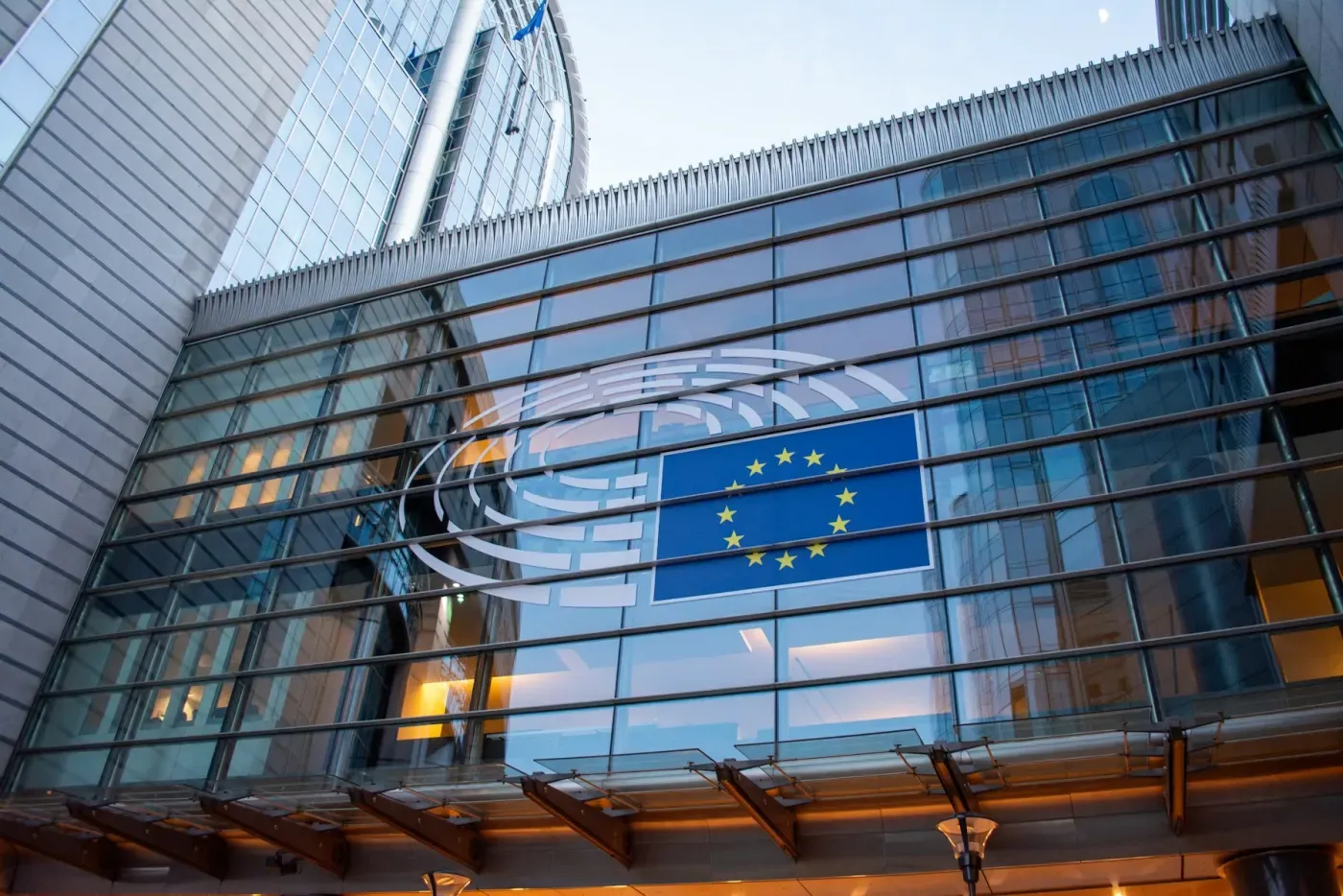
The European Union flag on the glass facade of a building in Brussels
Integrations

Works with the HR software you already use

Order screenings from inside your ATS or HR system. Pescheck connects with 160+ systems, so candidates never leave your workflow.

Browse all integrations